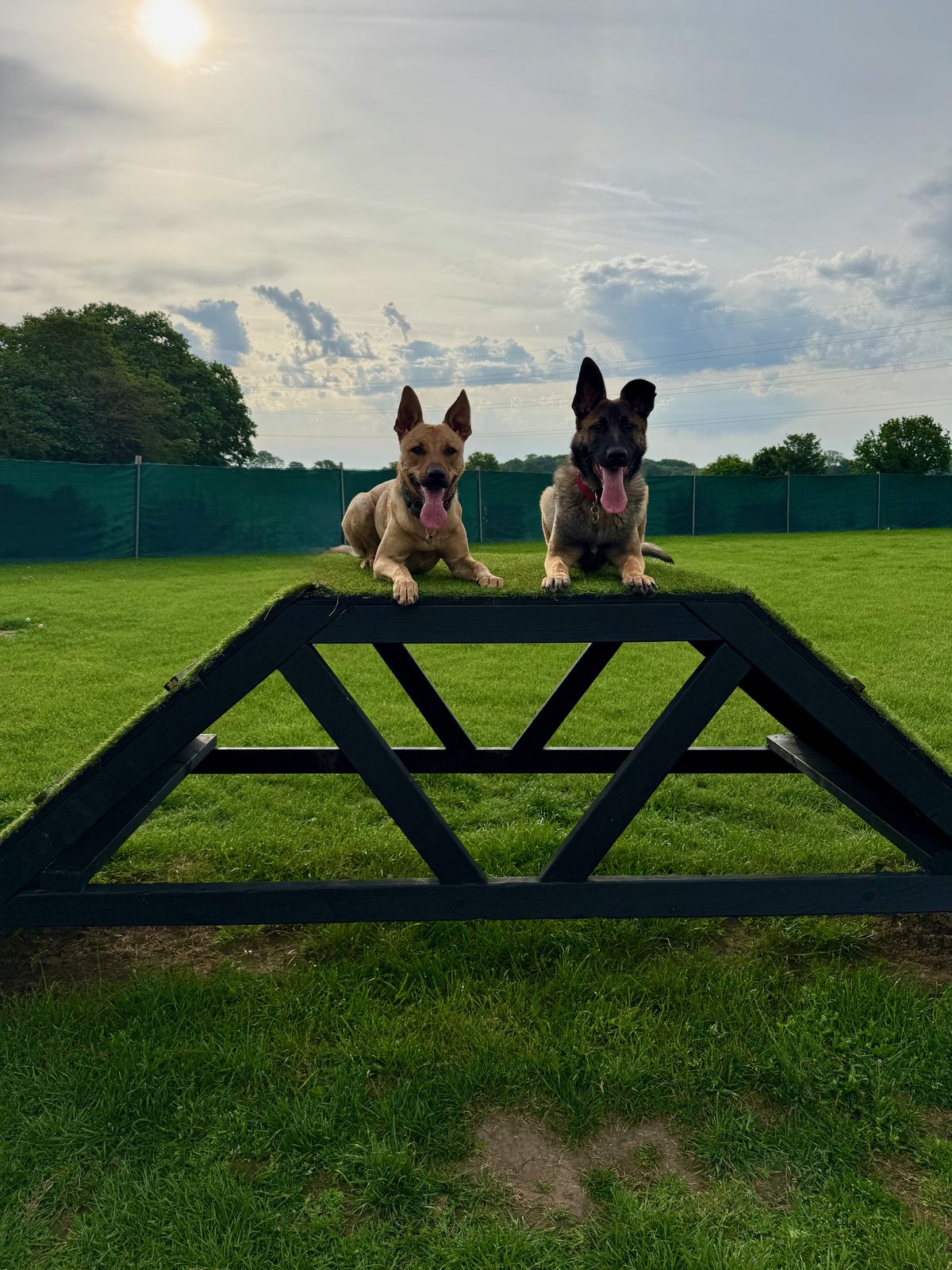
If you have a large, deep-chested breed, there is one health risk you must understand, and it has nothing to do with raw feeding specifically. It is bloat, and while it is serious, the habits that reduce the risk are simple and worth building into your routine from day one.
What bloat actually is
Bloat, known medically as gastric dilatation-volvulus or GDV, is a condition where the stomach fills with gas and can then twist on itself. The twist cuts off blood supply and traps the gas, and it escalates fast.
GDV is a genuine emergency. It can become life-threatening within hours, and a dog showing signs needs a vet immediately, not in the morning, not after you have looked it up online. This is the one area of dog ownership where speed truly saves lives.
Which dogs are most at risk
Bloat is strongly associated with large and deep-chested breeds. Dogs such as German Shepherds, Great Danes, boxers, standard poodles, Weimaraners, setters and similar builds are at higher risk because of their body shape. The deep, narrow chest gives the stomach more room to move and twist.
Other factors that have been linked to higher risk include eating one large meal a day, eating very fast, exercising hard right after eating, and stress around mealtimes. The reassuring flip side is that several of these are within your control.
The warning signs to know by heart
Learn these now, because in the moment you want to recognise them instantly:
- A swollen, hard, distended belly.
- Unproductive retching, your dog trying to be sick but bringing nothing up, or only froth.
- Restlessness, pacing, unable to settle or get comfortable.
- Excessive drooling.
- Signs of pain, a hunched posture, or looking anxiously at their abdomen.
- Rapid breathing, weakness, or collapse.
If you see these signs, especially the unproductive retching and the swollen belly, treat it as an emergency and get to a vet straight away. Do not wait to see if it passes.
How feeding habits lower the risk
This is where your daily routine matters. For large and deep-chested breeds, build in these habits:
Feed two meals a day, not one. Splitting the daily food into two smaller meals rather than one large one is one of the most important things you can do for an at-risk breed. A single big meal is associated with greater bloat risk, so for these dogs, one meal a day is simply not worth it.
Slow fast eaters down. Gulping food means swallowing air, which raises risk. Slow-feeder bowls, a flat tray, or scattering food can all help a fast eater eat at a safer pace.
Keep mealtimes calm. Avoid strenuous exercise for around an hour either side of a meal, and try to keep things settled and unhurried around food.
Consider bowl height. In large breeds, raised bowls have been linked to higher bloat risk, so feeding at floor level is often the safer default. If you have been told otherwise for a specific medical reason, follow your vet’s advice.
Talk to your vet about prevention
For some very high-risk breeds, vets may discuss a preventive surgical option called a gastropexy, which tacks the stomach in place to stop it twisting, sometimes done at the same time as neutering. Whether this is appropriate is entirely a conversation for you and your vet, but it is worth knowing the option exists.
Raw feeding and bloat
To be clear, raw feeding does not cause bloat. The risk is about breed, body shape and feeding habits, not whether the food is raw or kibble. What raw feeding does give you is the chance to build good habits from the start: sensible meal sizes, two meals a day, and calm, controlled mealtimes.
If you feed a large or deep-chested breed, take this post seriously, build the habits in, and keep the warning signs in mind. It is the kind of knowledge you hope never to need, and are very glad to have if you ever do.
Next in the series: the most common raw feeding mistakes.
This article is general guidance and not a substitute for professional veterinary advice. Bloat (GDV) is a life-threatening emergency. If you suspect it, contact your vet immediately. Always consult your vet about prevention and your dog’s individual risk.
Put this into practice, for your dog
Get a free starter plan with exact portions and a shopping list built around your own dog.
Free, no obligation. We will never share your details.
Thank you, that's on its way.
We have got your dog's details and will email your free starter plan shortly. Keep an eye on your inbox (and your spam folder, just in case).